2024. 7. 27. 08:31ㆍ카테고리 없음
Securing a personal loan with the lowest interest rates can be a game-changer for anyone looking to manage their financial burdens more effectively. The importance of conducting thorough research and preparing oneself before applying cannot be overstated. With the plethora of options available in the market, understanding how to navigate the personal loan landscape to secure favorable terms becomes crucial. This initial step not only aids in alleviating immediate financial pressure but also significantly impacts long-term financial health and flexibility.
This article delves into the top 10 tips to ensure applicants can secure the lowest possible interest rates on a personal loan. These strategies range from maintaining an excellent credit score, researching and comparing lenders, lowering your debt-to-income ratio, to choosing the correct loan term. Additionally, tips on offering collateral, enrolling in autopay, improving employment status, reducing credit card balances, applying with a co-applicant, and timing your loan application are thoroughly explored. By adhering to these guidelines, prospective borrowers can position themselves advantageously in the competitive market for personal loans.
Maintain an Excellent Credit Score
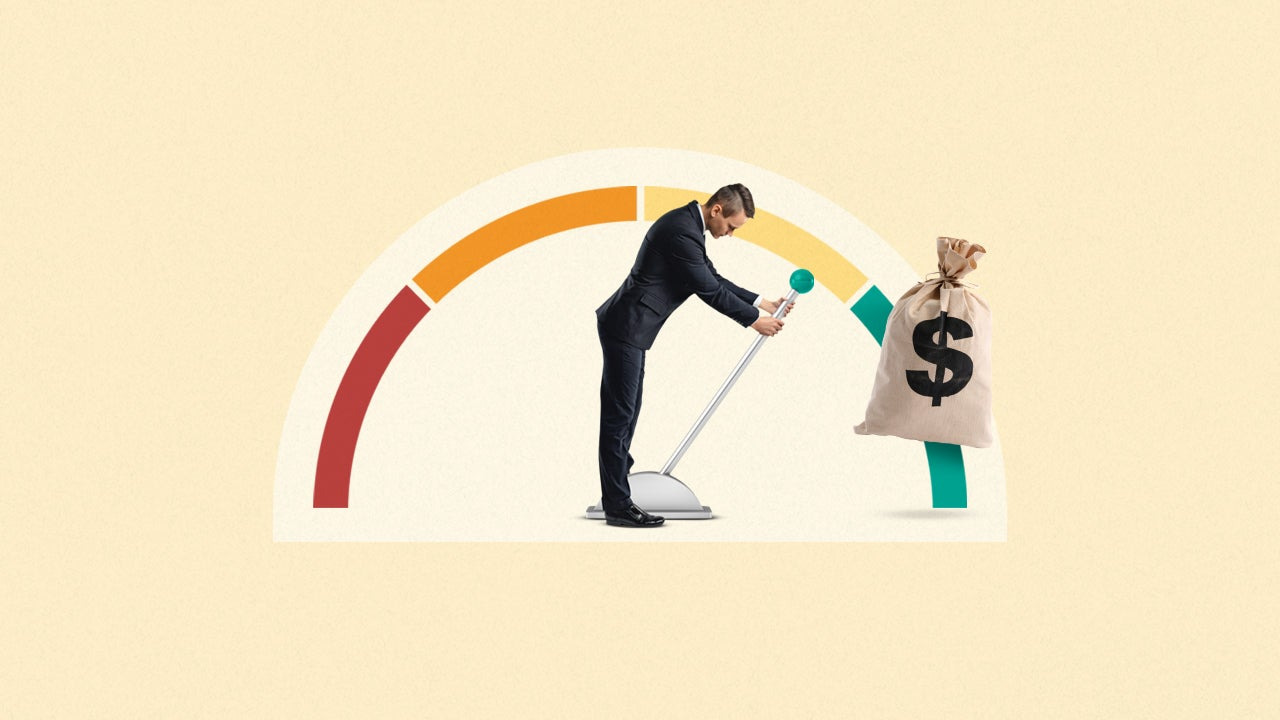
Credit Score Ranges and Their Impact
Understanding the range of credit scores is crucial for securing favorable personal loan terms. Credit scores typically range from 300 to 850, with higher scores indicating lower credit risk to lenders. Those with scores in the "Exceptional" range (800-850) often receive the best interest rates, while scores in the "Fair" range (580-669) may result in higher rates and limited loan options .
Credit Score Factors
Several factors influence your credit score, including payment history, amounts owed, and the length of your credit history. Payment history is the most significant, impacting scores by up to 35%, as it indicates reliability in repaying debts. The amount of credit utilized also plays a critical role; maintaining low balances relative to credit limits can boost scores. Additionally, a mix of credit types, such as installment loans and credit cards, can positively affect your score, showing your ability to manage different forms of credit .
Regular Credit Report Checks
Regular monitoring of your credit reports is essential for maintaining a good credit score. It allows you to verify the accuracy of the information, which can affect your credit score and loan eligibility. Inaccuracies or outdated information can be disputed, potentially improving your score. Regular checks also help in understanding how different credit activities influence your score, enabling better financial decisions .
Research and Compare Lenders

When seeking the best personal loan interest rates, it's essential to research and compare various lenders. This process involves analyzing offerings from traditional banks, online lenders, and credit unions, each providing unique advantages and challenges.
Traditional Banks vs Online Lenders
Traditional banks, such as large national or local community banks, are known for their extensive branch networks and ATM accessibility. They offer a sense of security with their established histories and in-person services. However, qualifying for personal loans through banks can be more challenging, with generally higher interest rates and fees compared to other lenders . On the other hand, online lenders provide a more accessible application process and the ability to pre-qualify without impacting your credit score. They cater to a diverse range of borrowers but lack physical locations, which might be a drawback for some .
Reading User Reviews
Evaluating user reviews is crucial in assessing the credibility and customer satisfaction of lenders. Reviews can reveal insights into the lender's customer service, ease of application, and the overall borrowing experience. Prospective borrowers should consider lenders that have positive reviews and are rated highly for their services and transparency .
Comparing Fees and Terms
It's important to compare not only the interest rates but also the fees and terms associated with personal loans. Look for options like low or no origination fees, rate discounts for autopay, and flexible repayment terms. Some lenders also offer benefits like direct payment to creditors, especially for debt consolidation loans, and the absence of late fees, which can significantly influence the total cost of the loan .
By carefully researching and comparing lenders, borrowers can find the most favorable terms to suit their financial needs. This approach not only ensures lower interest rates but also a smoother and more reliable lending experience.
Lower Your Debt-to-Income Ratio

Calculating Your DTI
Debt-to-Income (DTI) ratio is a crucial financial metric that lenders use to evaluate a borrower's ability to manage monthly payments and repay debts. To calculate your DTI, sum up all your monthly debt payments and divide by your gross monthly income (before taxes and other deductions). Multiply the result by 100 to express the ratio as a percentage . This figure gives lenders an insight into the proportion of your income that is allocated towards debt repayment, affecting your loan approval chances.
Strategies to Reduce DTI
Reducing your DTI can enhance your eligibility for lower personal loan interest rates. Here are effective strategies:
- Increase Income: Consider side gigs or part-time jobs to boost your monthly income .
- Pay Down Debts: Focus on lowering balances on high-interest debts like credit cards or personal loans. Paying off smaller debts can quickly improve your DTI .
- Refinance or Consolidate Debts: Refinancing high-interest loans to lower rates or consolidating multiple debts into a single payment can significantly reduce your monthly obligations .
Ideal DTI for Low Interest Rates
Lenders typically prefer a DTI lower than 36% to offer the best interest rates, as it indicates a manageable level of debt relative to income . A DTI between 36% and 42% might still secure loans but potentially at higher interest rates, while a DTI above 43% can make obtaining finance challenging . Keeping your DTI below these thresholds ensures better financial health and more favorable loan conditions.
Offer Collateral

Offering collateral, also known as a secured loan, involves backing the loan with assets you own, which can include a wide range of items from savings accounts and vehicles to real estate and investment portfolios. This strategy can lead to more favorable loan terms, such as lower interest rates and larger loan amounts, particularly for borrowers with less-than-ideal credit profiles or lower incomes .
Types of Acceptable Collateral
Common forms of collateral include:
- Savings Accounts/Certificates of Deposit (CDs)
- Vehicles (cars, trucks, boats, RVs)
- Real Estate (homes or other property)
- Investment Portfolios
- Insurance Policies
- Jewelry
These assets are assessed for their fair market value, and the loan amount is often determined as a percentage of this value .
Risk Assessment
Before approving a collateral loan, lenders evaluate the asset's value to determine the loan-to-value ratio (LTV). For instance, in mortgages, the appraised value of the home directly influences the LTV assigned, affecting the interest rates and required down payment. A higher LTV generally results in higher interest costs and more substantial down payments .
Potential Interest Rate Reduction
Collateral loans typically offer lower APRs compared to unsecured loans due to the reduced risk for lenders. For example, mortgage loans secured by homes might have rates averaging 7.90% APR for 30-year terms, significantly lower than high-interest unsecured personal loans which can go up to 36% APR . This makes collateral loans a viable option for those seeking to minimize borrowing costs and secure larger loan amounts.
Choose the Right Loan Term

Short-term vs Long-term Loans
Short-term loans, generally defined as those under 12 months, often carry higher interest rates and additional fees, making them more costly in the short run . These are typically chosen by borrowers who need quick financial relief and are confident in their ability to repay quickly. Conversely, long-term loans, which extend beyond a year and can last up to 10 years, usually have lower monthly payments, making them more manageable over time . However, the longer duration means paying more in total interest.
Interest Rate Variations by Term
The length of the loan term significantly affects the interest accrued. Shorter loan terms, while resulting in higher monthly payments, typically incur less interest over the life of the loan compared to longer terms . For instance, a $10,000 loan with a 5% interest rate over two years will cost significantly less in total interest than the same loan stretched over five years . This is because the extended period allows interest to accumulate, increasing the overall cost of the loan .
Selecting the Best Term for Your Situation
Choosing the right loan term requires balancing monthly payments against total interest costs. If a borrower's financial situation allows for larger monthly payments, a shorter term can save money on interest and expedite debt freedom . Medium-term loans, typically three to five years, often represent a middle ground, offering manageable payments with reasonable interest charges . For those needing minimal monthly payments, long-term loans might be suitable, but they come with higher interest costs over time . It's crucial to assess personal financial flexibility and goals when selecting a loan term to ensure it aligns with one's financial strategy and capabilities .
Enroll in Autopay

Enrolling in autopay can significantly streamline the management of personal loan repayments and potentially reduce interest rates. By automating payments, borrowers ensure timely payments, thus avoiding late fees and potentially improving their credit scores.
Lenders Offering Autopay Discounts
Many lenders incentivize the use of autopay by offering discounts on interest rates. For example, student loans and car loans might offer a reduction of 0.25% on the interest rate for borrowers who enroll in automatic payments . This discount can accumulate significant savings over the life of the loan.
Setting Up Automatic Payments
Setting up autopay is straightforward and can be done via online banking platforms or mobile apps. Borrowers select the amount they wish to pay, which can range from the minimum payment to the full statement balance, and specify the payment date to ensure funds are available . It’s crucial to review terms of service and ensure that the payment settings align with one's financial planning.
Avoiding Late Payment Penalties
Autopay helps avoid late payment penalties by ensuring payments are made on time. This is particularly beneficial for those with multiple financial obligations as it reduces the risk of missing due dates . Additionally, some lenders provide the flexibility to set up alerts and reminders, giving borrowers ample time to ensure sufficient funds are available for upcoming payments .
By utilizing autopay, borrowers can not only save time but also enhance their financial management, ensuring they maintain a good standing on their loans and potentially benefiting from reduced interest rates.
Improve Your Employment Status
Improving your employment status can significantly enhance your eligibility for favorable personal loan terms. Here's how you can leverage your career development to secure better loan rates.
Job Stability and Loan Approval
Lenders prioritize applicants with stable employment as it indicates financial reliability and a lower risk of default. Consistent employment history is a critical factor in loan approvals, as it reassures lenders of a borrower's ability to meet repayment obligations . For those with variable income sources, lenders require documentation of steady income for at least two years to consider it reliable for loan qualification .
Documenting Employment History
When applying for loans, especially significant ones like mortgages, providing a comprehensive employment history is essential. Lenders will scrutinize your employment stability, including the length of time at your current job and the nature of your employment . Documentation required may include recent pay stubs, W-2 forms covering the most recent one- or two-year period, and in some cases, tax returns . This documentation helps lenders assess the predictability and stability of your income.
Career Advancement for Better Rates
Investing in your career through further education or acquiring new skills can lead to higher income and improved job security, making you a more attractive candidate for lower interest rates on loans . Additionally, if you're considering a career change or starting a business, securing a personal loan can provide the necessary capital for education, tools, or initial business setup costs . Enhancing your skills or upgrading your professional tools can also be financed through personal loans, ensuring you have the necessary resources to advance in your career .
By focusing on these aspects of employment, individuals can improve their financial standing and increase their chances of obtaining personal loans with favorable terms.
Reduce Credit Card Balances

Reducing credit card balances is a strategic approach to enhancing your credit score by managing your credit utilization effectively. Here’s how you can optimize your credit utilization and consider balance transfer as a method to manage your debts more efficiently.
Impact of Credit Utilization
Credit utilization, or revolving credit utilization, plays a significant role in your credit score, impacting it by approximately 20% to 30% . It is calculated by dividing the total balance of your revolving credit accounts by your total credit limit and then multiplying by 100 to get a percentage. A lower utilization rate is generally seen as favorable, with the average in the U.S. being around 28% . Keeping your utilization under 30% is crucial as it starts to negatively impact your credit score beyond this point .
Optimal Credit Utilization Ratio
Maintaining an optimal credit utilization ratio is essential for a healthy credit score. Ideally, your utilization rate should be under 30% . However, for those aiming for excellent credit scores, keeping it in the single digits can be particularly beneficial . This involves not only managing how much you charge but also paying down balances consistently to keep the ratio low .
Balance Transfer Strategies
A balance transfer can be a useful strategy to manage high-interest credit card debt. By transferring existing balances to a new card with a lower interest rate, particularly cards offering a 0% introductory rate, you can save on interest and potentially pay down debt faster . However, it’s important to be aware of any transfer fees and ensure that the cost savings from lower interest rates outweigh these fees . Additionally, maintaining discipline not to accrue additional debt during the balance transfer period is vital for this strategy to be effective .
By focusing on these strategies, individuals can effectively reduce their credit card balances, lower their credit utilization ratio, and improve their overall credit health.
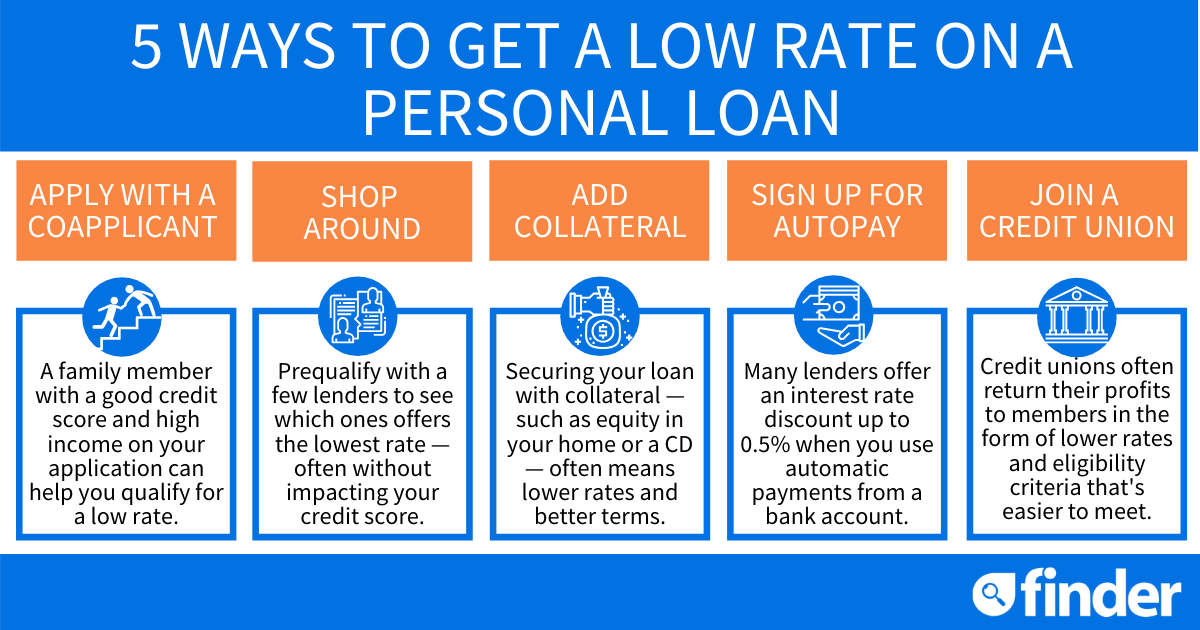
Apply with a Co-applicant

Advantages of Joint Applications
Applying with a co-applicant can significantly enhance the likelihood of securing a personal loan with more favorable terms. When lenders evaluate a joint application, they consider the combined financial strength of both applicants, which may result in lower interest rates and higher loan amounts . This is particularly beneficial if one applicant has a stronger credit profile, as it can offset the weaker credit of the other, making the overall application more appealing to lenders .
Choosing the Right Co-applicant
The choice of a co-applicant should be strategic; ideally, it's someone who benefits mutually from the loan, such as a partner in a home purchase or a business venture . It is crucial that the co-applicant has a stable job history, a strong credit score, and a positive credit history, as these factors are critically assessed by lenders . If the co-applicant's financial background complements yours, it enhances the chances of approval and may lead to better loan terms .
Co-applicant Eligibility Criteria
Both parties in a joint application must meet certain eligibility criteria set by lenders. These criteria often include minimum credit scores and stable income sources . It's essential for potential co-borrowers to understand these requirements beforehand to ensure a smooth approval process. Prequalifying can be a beneficial step to gage what terms one might expect without impacting credit scores significantly .
Timing Your Loan Application
Timing your loan application strategically can significantly impact the interest rates and approval process. Understanding economic factors, seasonal offers, and personal financial readiness can guide when to apply for a personal loan.
Economic Factors Affecting Interest Rates
The timing of your loan application should consider economic conditions that influence interest rates. Key factors include inflation and the overall economic climate:
- Inflation: High inflation typically leads to higher interest rates as lenders need to compensate for the decreased value of money over time .
- Economic Growth: During periods of economic growth, interest rates may be lower to encourage borrowing and spending. Conversely, during downturns, rates might increase due to higher risk .
- Repo Rate: Changes in the repo rate, the rate at which banks borrow from the central bank, directly affect personal loan rates. A higher repo rate means higher loan costs .
Seasonal Loan Offers
Lenders may offer promotional interest rates during certain times of the year, which can be advantageous for borrowers. For example:
- End of Fiscal Year: Some lenders offer lower rates to boost their lending figures before the year-end .
- Holiday Seasons: Lenders might provide special rates during holidays when consumer spending is high .
Personal Financial Timing
Your personal financial situation plays a crucial role in determining the right time to apply for a loan. Consider the following:
- Credit Health: Ensure your credit score is high and your credit history is stable before applying. A better credit score can lead to lower interest rates and faster approvals .
- Income Stability: Demonstrating a stable income through consistent employment or reliable earnings from self-employment enhances your loan approval chances .
- Debt-to-Income Ratio: Lower your debt-to-income ratio by paying off existing debts, which can improve your eligibility for favorable loan terms .
By aligning your loan application with favorable economic conditions, taking advantage of seasonal offers, and ensuring your personal finances are in order, you can optimize the terms of your personal loan.
Conclusion
Through strategic preparation and careful consideration of financial standings, individuals can vastly improve their chances of securing personal loans with lower interest rates. By maintaining an excellent credit score, researching and comparing lenders, lowering debt-to-income ratios, choosing the right loan term, enrolling in autopay, improving employment status, reducing credit card balances, applying with a co-applicant, and timing the loan application wisely, borrowers can position themselves advantageously within the competitive market. These strategies not only ensure favorable loan terms but also contribute to long-term financial health and stability.
The significance of these methods extends beyond immediate financial relief, offering profound implications for personal financial management. Adhering to these tips can lead to more manageable debt levels, improved credit scores, and ultimately, greater financial flexibility and security. As individuals navigate the personal loan landscape, a comprehensive approach that includes these top tips will be essential in securing beneficial outcomes. Future borrowers are encouraged to consider these strategies carefully, ensuring that they make informed decisions that align with their financial goals and capabilities.